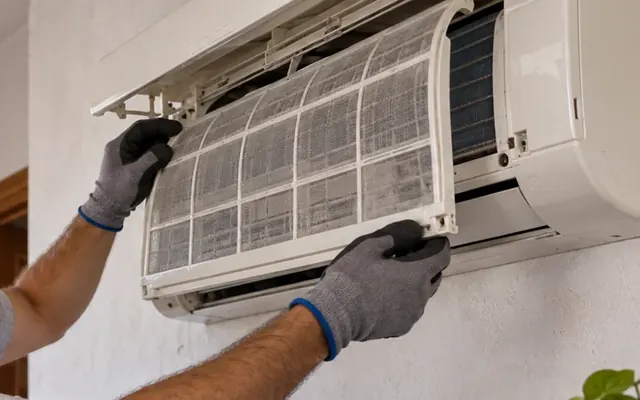

Start with the property, not a universal timetable
There is no visit frequency that guarantees every empty home will remain problem free. Begin with the layout, past issues and the equipment left operating. A compact apartment with straightforward access does not create the same task as a house with several terraces, outbuildings and an irrigation system. List what can actually be observed during an ordinary visit and what would need a specialist.
Check obligations that already apply to you
Read the conditions of your insurance and any maintenance contracts. Some arrangements may have requirements concerning absence or inspections, but do not assume one rule applies to every policy. Ask the relevant provider to clarify anything uncertain in writing. A Home Watch report records an agreed visit; it does not automatically certify compliance with an insurance policy or replace technical maintenance.
Build a baseline before choosing the interval
An initial route makes the proposal more meaningful. Identify entry points, rooms and visible water or damp concerns, then record existing marks and areas excluded from the check. Ask how long that route is expected to take. If the allotted time cannot cover all requested spaces, reduce the scope or obtain a quotation for the additional work. The number of visits alone says little about their usefulness.
Plan around changes in how the home is used
Your own stays, visiting relatives, building work and contractor appointments can change the plan. Compare a regular visit arrangement with the particular tasks needed before arrival or after departure. A month containing five weeks is not the same as a package of four monthly visits. Confirm the actual number, scheduling window, included time and rules for additional attendance before accepting a quotation.
Agree the response as well as the visit
Decide who receives the report and who may approve an extra task. If you cannot answer, an agreed alternative contact is more useful than a vague instruction to do whatever is necessary. Set a spending limit only for defined actions, not unrestricted repair authority. For a possible danger, instructions from emergency services take priority; the home care service is not an emergency response arrangement.
Review the plan using reports
After the first visits, review whether the photographs and observations answer your questions. Repeated access difficulties, new equipment or a changed length of absence may justify a revised scope. Example: before a family stay, you might request an arrival preparation visit instead of assuming that a routine visual check includes setting up every room. Any change in service, availability or cost needs a fresh agreement.
Frequently asked questions
Can I start with one visit before agreeing a regular plan?+
You can request an initial visit with a defined purpose. Availability, cost and access are confirmed first. Use its report to decide whether the proposed route answers your questions and what should change before agreeing further visits.
Does four visits a month mean a visit every week?+
Not necessarily. A calendar month can span more than four weeks. Check the actual number of visits, scheduling window and any gaps. Arrival preparation or an additional visit should be identified separately rather than assumed to be included.